Best Material for Vehicle Canopy: Fiberglass, Steel, or Aluminium?
Debating which canopy material will work best for your vehicle? You see, choosing the right canopy for vehicles isn’t just a styling decision; it plays a major role in performance, safety, payload capacity, and long-term operating costs.
For tradespeople, the material can determine efficiency, how secure the tools are, and how much fuel the vehicle consumes. For off-road travellers and touring enthusiasts, it influences handling on rough tracks, how much gear you can safely carry, and the overall reliability of your setup. Even small business operators and DIY builders need to consider weight limits, corrosion resistance, and day-to-day practicality.
This guide breaks down the three most widely used options: fiberglass, aluminium, and steel to help you make a well-informed decision.
Why the Canopy Material Matters
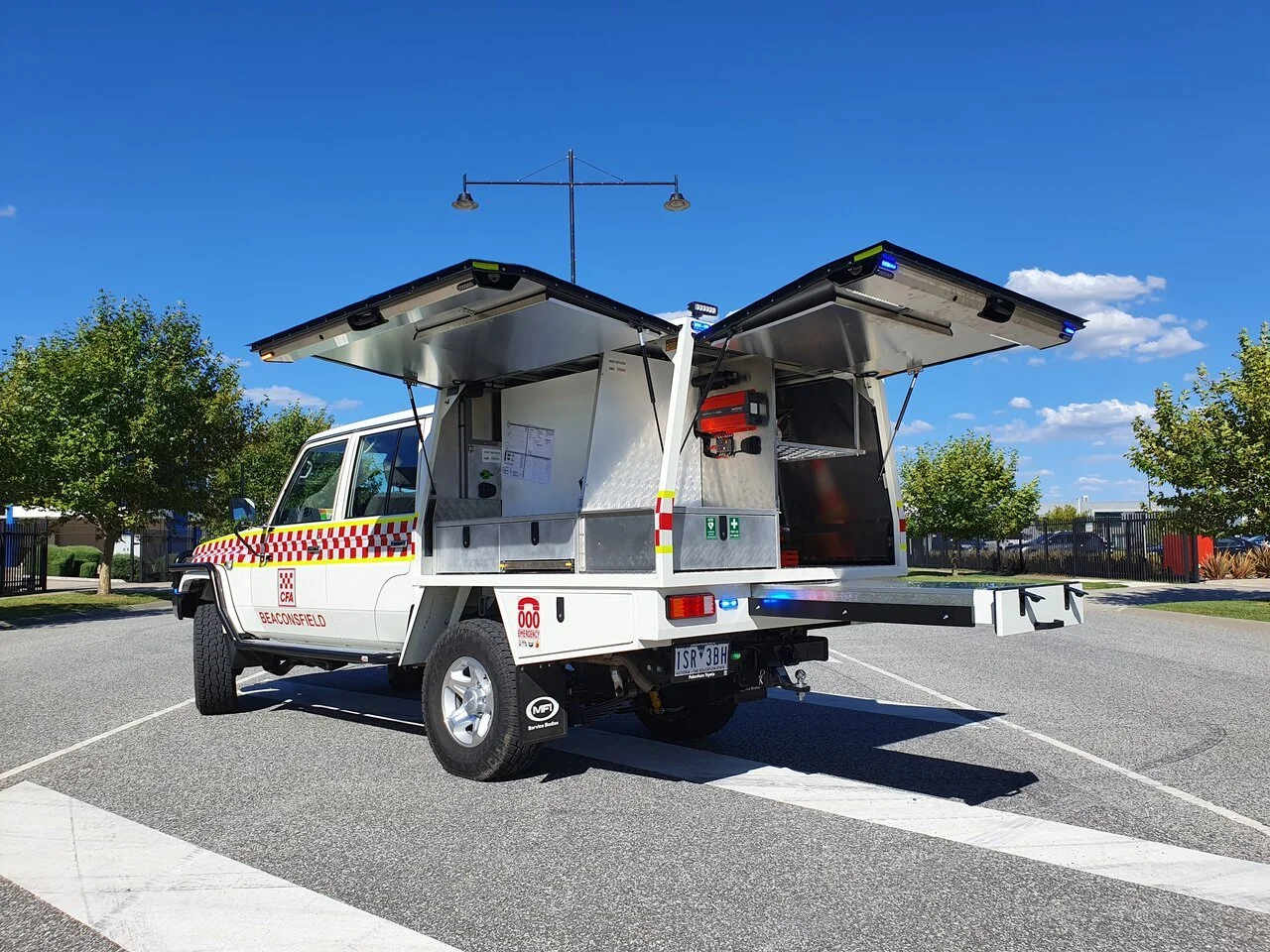
When picking a canopy for vehicles, you’re balancing weight vs. durability vs. cost. A heavier canopy might carry more gear securely, but it slows you down and burns more fuel. That trade-off directly affects fuel efficiency and handling, especially when driving loaded.
Then there's how you plan to use the vehicle. A daily drive needs a different canopy than a heavy-duty tradesman service body or an off-road overlander. Your choice should reflect whether you’re commuting, working, or heading into the bush.
Fiberglass Canopies: Pros & Cons
If you’re considering a canopy that looks good and keeps overall vehicle weight down, fiberglass is often the first material people explore. It’s widely used across recreational and lifestyle builds because it balances practicality with a clean, modern appearance.
Pros:
Lightweight Construction: Fiberglass is much lighter than metal alternatives, helping improve fuel efficiency and reducing unnecessary strain on your suspension and chassis over time.
Clean, Modern Appearance: Its smooth, molded finish gives utes and 4×4 vehicles a sleek look. Many owners choose fiberglass for its seamless lines and OEM-style fitment.
Naturally Corrosion-Resistant: Fiberglass won’t rust, making it ideal for coastal areas, humid climates, and vehicles regularly exposed to rain or moisture.
Cons:
Susceptible to Cracking: While lightweight, fiberglass can chip or crack if exposed to heavy impacts, falling tools, or significant overloading.
Limited Customisation Options: Because it can’t be easily welded or structurally modified, adding custom racks, compartments, or heavy-duty accessories is more challenging.
Higher Upfront Cost: Fiberglass moulding is complex, which often results in a higher purchase price compared to basic aluminium designs.
Ideal for: Recreational users, daily drivers, and anyone prioritising a stylish, aerodynamic canopy. It works especially well for off-road vehicle canopies where lower weight and a clean profile matter more than heavy load-carrying customisation.
Aluminium Canopies: Pros & Cons
If you’re looking for a balance between strength and weight, aluminium often sits in the middle ground. It’s one of the most popular choices for custom canopies because it adapts well to both work and recreational setups.
Pros:
Lightweight Strength: Aluminium stays light on the vehicle (much like fiberglass) but offers noticeably better rigidity, helping maintain good fuel efficiency and predictable handling.
Naturally Corrosion-Resistant: Its rust-proof nature makes it ideal for coastal areas, wet climates, and vehicles exposed to the elements daily, reducing maintenance over time.
Highly Customisable: Aluminium is easy to shape, weld, and fabricate, which makes it perfect for custom canopies that need drawers, racks, shelving, or purpose-built internal layouts.
Cons:
Impact Dents More Easily: While the structure is strong, aluminium panels can dent from heavy knocks or dropped tools; something to consider for rough worksites.
Less Load-Bearing Strength Than Steel: For extremely heavy gear or constant high loads, aluminium doesn’t match steel’s structural capacity and may not suit the most demanding use cases.
Ideal for:
Tradies, service truck bodies, tourers, and off-road users who want a durable truck canopy that remains lightweight, easy to modify, and well-suited for both work and adventure without compromising manoeuvrability.
Steel Canopies: Pros & Cons
If strength and security are your highest priorities, steel is the material most people consider first. It’s built for demanding environments and is often chosen for vehicles that carry valuable equipment or operate in harsh conditions.
Pros:
Maximum Strength & Security: Steel offers exceptional impact resistance — it’s essentially armor for your tools, equipment, and cargo, making it ideal for work sites and high-risk environments.
Excellent Load-Bearing Capacity: Unlike lighter materials, steel comfortably supports heavy items like compressors, ladders, recovery gear, or tool chests without flexing or compromising structure.
Reliable in Harsh Environments: Steel canopies withstand demanding, everyday use on farms, construction sites, and industrial operations where durability is more important than weight savings.
Cons:
Significantly Heavy: Its weight can noticeably affect fuel efficiency and overall handling, especially when the vehicle is already carrying a substantial payload.
Requires Proper Rust Protection: Steel naturally corrodes, so coatings, paint systems, or galvanising are essential to prevent rust — especially in coastal or wet areas.
Increases Vehicle Stress: The additional mass places more load on suspension and braking systems, potentially accelerating wear if the vehicle isn’t properly set up for it.
Ideal for:
Heavy-duty applications, secure tool storage, rural and industrial work, and tradespeople who need a canopy built to handle extreme use and tough environments.
Key Performance Comparison: Fiberglass, Aluminium & Steel
Here’s a quick way to compare the three materials at a glance:
| Feature | Fiberglass | Aluminium | Steel |
|---|---|---|---|
| Weight | ★★★★★ | ★★★★☆ | ★★☆☆☆ |
| Durability | ★★★☆☆ | ★★★★☆ | ★★★★★ |
| Rust Resistance | ★★★★☆ | ★★★★★ | ★★☆☆☆ |
| Cost | ★★★☆☆ | ★★★★☆ | ★★★☆☆ |
| Customisation | ★★☆☆☆ | ★★★★★ | ★★★★☆ |
Overall, aluminium hits the sweet spot for many vehicle owners, offering a strong balance of weight, durability, rust protection, and customisation options. Fiberglass stands out for drivers who prioritise lightweight vehicle canopies and a clean, aerodynamic look, especially in recreational or touring setups. Steel remains the best choice when maximum strength and security matter most, making it a popular option for trades, industrial fleets, and harsh environmental conditions.
How to Choose the Right Canopy Material for Your Needs
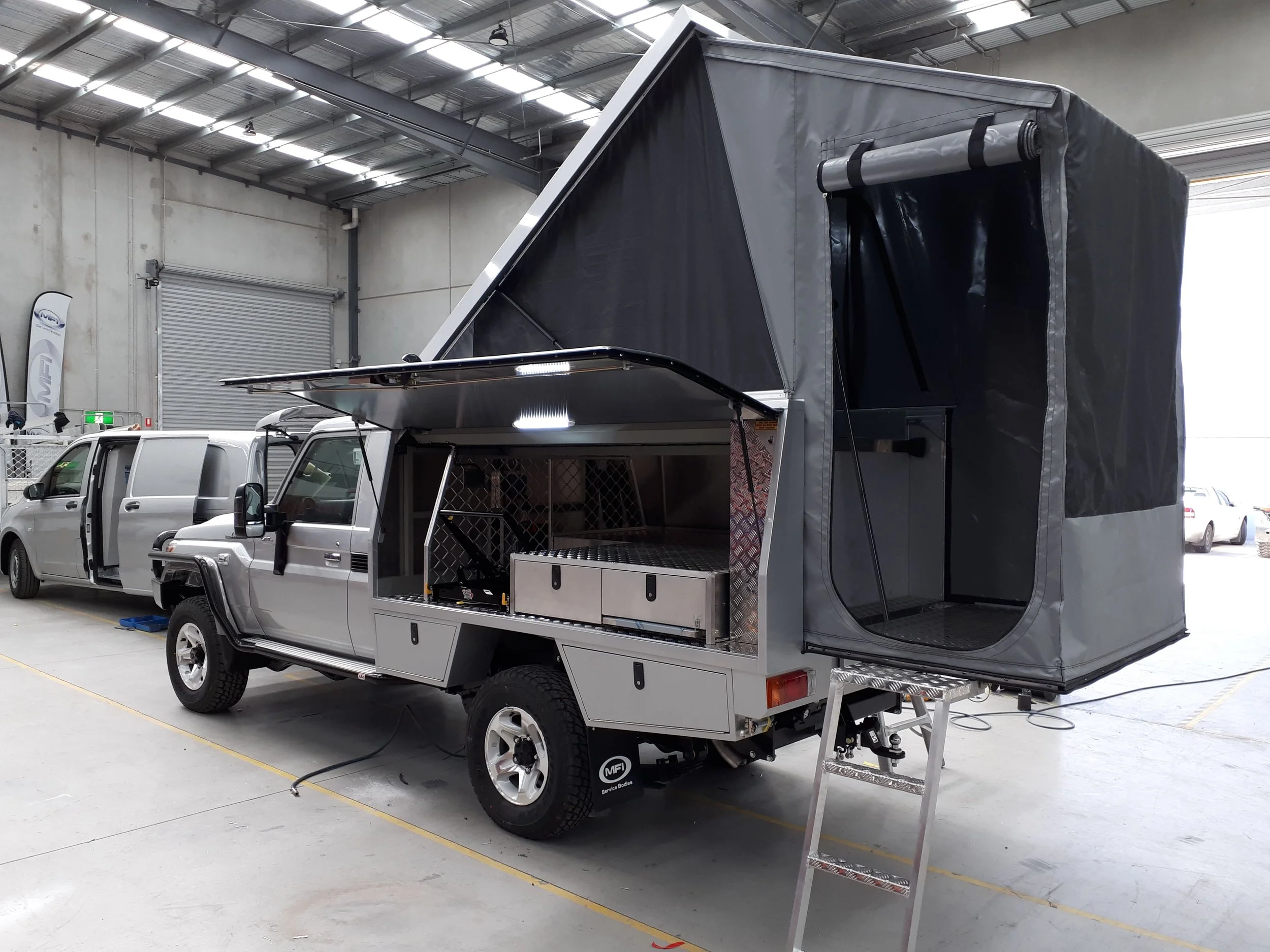
Think through common use cases: Are you a tradie hauling tools every day? A camper converting your ute into a mobile home? A delivery business driving hundreds of kilometres weekly? Or a farmer working on rough terrain? Your choice of ute canopy materials should match both how you use your vehicle and what you need it to carry.
Tradie/Service truck body → Aluminium or Steel
Aluminium is lightweight and rust-proof, making it easy to customise with drawers and racks, while steel offers maximum security and strength for heavy tools and demanding job sites.
Camper/4×4 overlander → Fiberglass or Aluminium
Fiberglass keeps your setup light for off-road handling, while aluminium provides durability and easy modification for rooftop storage, solar panels, or slide-out kitchens.
Fleet/Delivery → Aluminium
Aluminium strikes a balance between weight, strength, and corrosion resistance, helping reduce fuel costs and maintenance while keeping cargo secure.Heavy load/Rural/Farm → Steel
Steel is ideal for carrying heavy equipment or supplies, providing unmatched durability and security for harsh rural or farm environments.
To make the decision easier, you can download our Canopy Material Checklist. It’s a detailed PDF to map your key priorities, such as weight, budget, strength, style, and match them to the right material.
Are Custom Canopies a Smart Investment?
Yes, especially when built by experts such as MFI Automotive Group. Our team brings real-world experience designing custom canopies and full-service bodies for emergency services (SES, CFA), commercial fleets, and recreational vehicles.
Tailored design: MFI’s in-house engineers create builds that suit your mission — drawers, racks, rooftop load systems, LED lighting, and compartment layout.
Trusted by emergency services: Their builds for SES and CFA vehicles include slide-out drawers, LED lighting, and rugged compartments designed to support real operations.
Quality backed by warranty: MFI is an Australian-designed & manufactured company with a 5-year structural warranty.
Safe & certified: We hold ROPS certification (AS2294, AS1636) for rollover protection, essential for trades and off-road work.
Schedule a Free Consultation: Get Expert Canopy Advice
If you’re unsure which canopy material is right for your vehicle, we’d love to help. Schedule a canopy consultation with MFI’s automotive experts. They’ll walk you through your options, assess what fits your vehicle, and give you a tailored quote.